
Dead Waters
Interview with Helsinki Nature Conservation Society

Helsingin luonnonsuojeluyhdistys (Helsy), or Helsinki Nature Conservation Society, prepares reports on nature values to defend urban nature. According to Anders Backström, the organisation secretary of Helsy, despite some beautiful goals, construction in nature areas is always destructive. The interview is part of Grassroots City, an art and research project in which we investigated how local communities adapt to a changing climate.
Could you tell us about yourself: who are you, how did you get involved in Helsy’s activities?
I hold a Master’s degree in Environmental Sciences and have extensive experience as an environmental activist in various organisations. Since January 2025, I have served as the organisational secretary of Helsy, the Helsinki Nature Conservation Association.
Environmental issues in Helsinki have long been of particular interest to me. In the past, I have been involved in more specific campaigns, such as opposing the Keskustatunneli project and advocating for improved cycling conditions on Hämeentie.
I find this work especially meaningful because it allows me to promote environmental issues within the city of Helsinki. The city’s local nature is particularly important to me.
How are climate change and habitat loss reflected in your activities?
Climate change, and particularly habitat loss, are recurring concerns in our work, as biodiversity continues to decline. Helsy’s activities focus specifically on protecting Helsinki’s local nature. For example, in Lapinlahti we carried out a survey of endangered species in the area, and during the municipal elections we prepared our own set of election priorities. We have also taken a position on proposals for additional lanes on the Lahdenväylä motorway. In addition, we organise campaigns to remove invasive species, which help to prevent habitat loss in a very concrete way.
What is the role of nature conservation organisations in the care of urban nature?
Nature conservation organisations play a vital role in safeguarding local urban nature. While cities produce various nature surveys and environmental assessments, it is essential that this information is effectively communicated to municipal authorities and political decision-makers. Conservation organisations also have an important responsibility to advocate for concrete protection measures and ensure that environmental concerns remain part of the public and political agenda.
For example, the preservation of the Stansvik forest is the result of years of sustained work by nature conservation organisations. Through long-term advocacy and campaigning, they were able to prevent the destruction of a significant portion of the area’s trees. This demonstrates how persistent civic engagement can have a tangible impact on protecting urban natural environments.
What methods do you use in your work? How is this information communicated to decision-makers?
In matters concerning planning and local nature, the most important approach is to influence the planning process directly. We submit statements to the city council and relevant committees on problematic planning proposals, and we organise planning walks to highlight the environmental values of specific sites.
To some extent, we have also commissioned our own nature surveys, although our resources for this are limited. We have taken part in demonstrations as well, but our primary focus is on expert-based advocacy.
In addition, we organise nature conservation and invasive species volunteering activities, which provide a practical way for people to contribute to protecting local nature. We also carry out volunteer work in cooperation with other organisations. For example, in Konala we organised a stream restoration workday together with Virho ry.
What kinds of urban development trends do you encounter in your work?
In Helsinki, conflicts related to local nature have been a part of everyday urban development discussions since before the 2010s. In the past, the value of nearby nature was not widely recognised, but in recent years its importance has begun to receive much stronger emphasis.
The greatest challenge in urban development is that parks and natural areas are often sacrificed for construction, instead of making better use of already built or vacant sites. This is particularly evident in underused office and industrial areas whose land use is not actively reconsidered.
Dense development itself is not the problem; rather, the issue is where densification takes place. Sustainable construction should primarily be directed towards sites that have already been developed.
Helsinki’s 2016 master plan contains a number of problematic locations. Helsy was actively involved in influencing the preparation of the plan, and some problematic “pixels” were successfully revised. Nevertheless, many areas that threaten the preservation of natural values remain in the plan.
What threats does Helsinki’s local nature face?
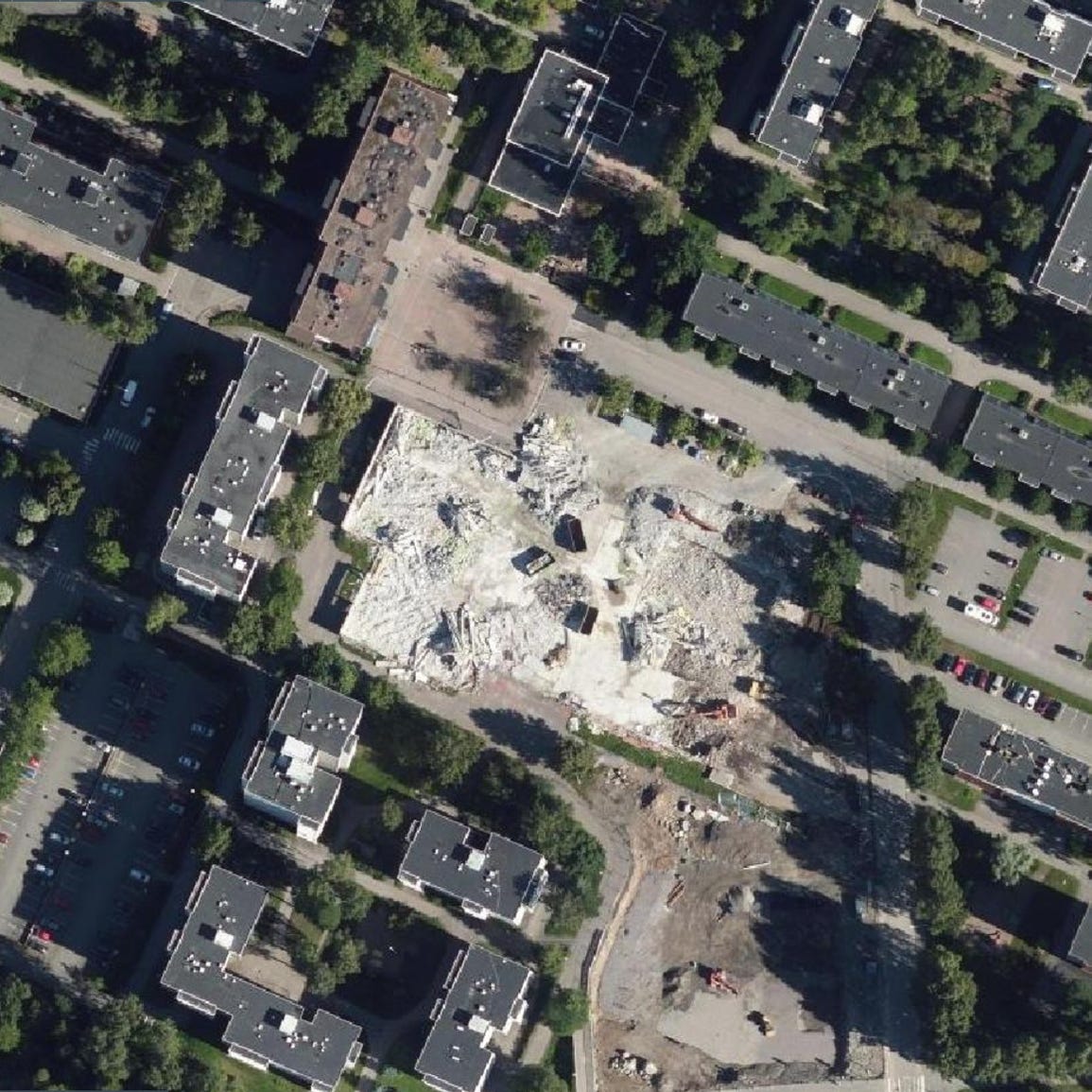
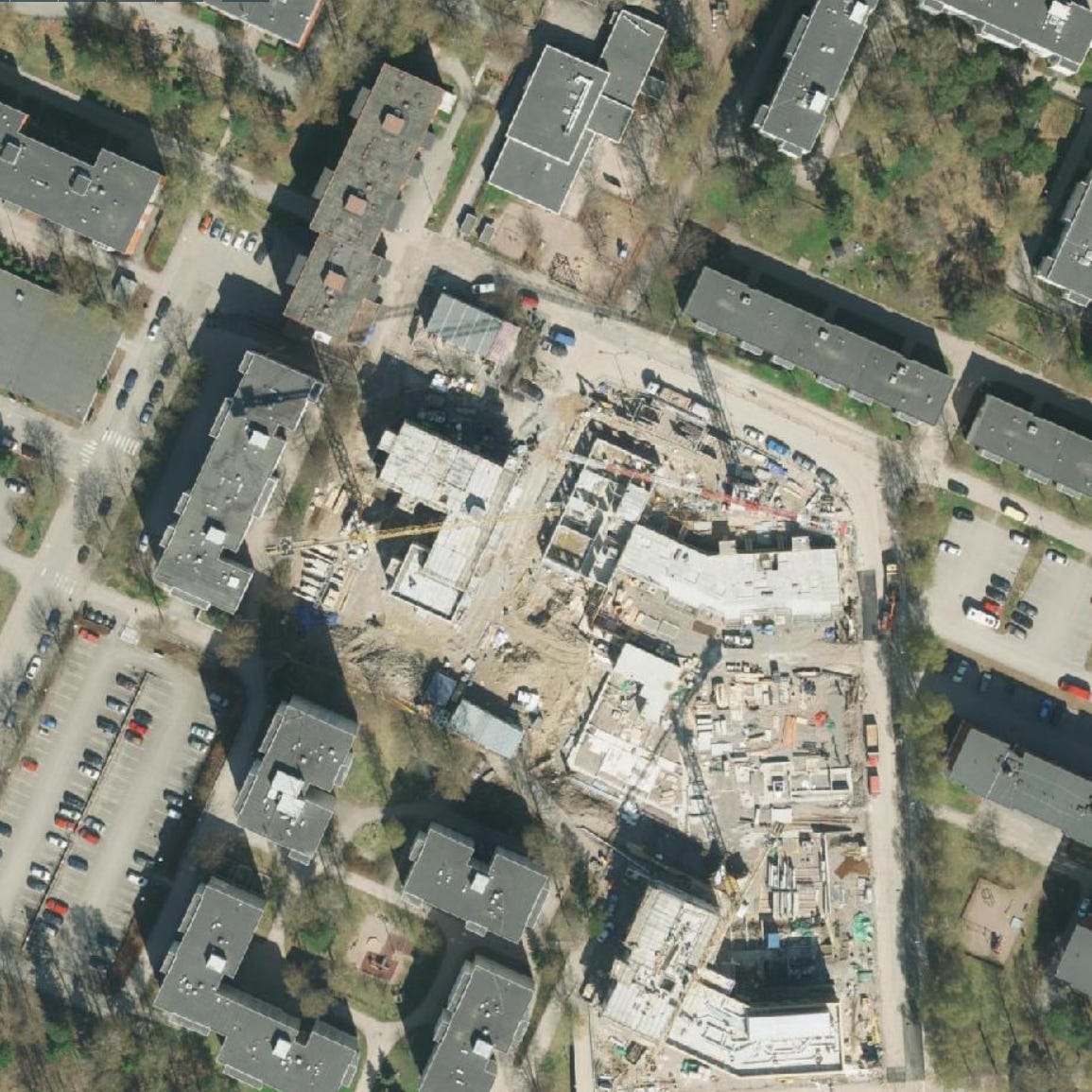
Local nature in Helsinki is particularly threatened by construction and land use changes. Building inevitably transforms the environment, and the needs of species are often not adequately considered: sites are cleared and filled with crushed stone before construction begins. Environmental problems, such as oil spills into urban streams, also weaken ecosystems. Nature cannot simply be replaced by creating new green areas elsewhere; forest biotopes in particular require large, continuous habitats to survive.
Another significant problem is the inadequate use of existing environmental knowledge. Despite numerous nature surveys, the city sometimes makes decisions that weaken ecological values, such as unnecessary tree felling or the clearing and dredging of streams.
A lack of knowledge also results in practical damage. For example, in 2020 a significant amount of oil entered the Maunulanpuro stream, affecting the local fish population and the wider stream ecosystem. Water from geothermal drilling is also sometimes discharged directly into stormwater drains, even though this is against building regulations. This may result from a lack of awareness or shortcomings in subcontracting chains.
How should stream ecosystems be considered in urban development?
Nature values can be supported, for example, by directing stormwater into stream and wetland structures. This improves habitats for amphibians and small aquatic species and reduces the flow of nutrients into the sea. Allowing water to infiltrate into the soil is also important, as water flowing through pipes is ecologically “dead”. Large asphalt surfaces and extensive car parking areas reduce the ability of water to infiltrate naturally. For this reason, urban design should favour solutions that enable natural absorption.
Long-term restoration work can produce tangible results. For example, trout populations in Mellunkylänpuro have improved, and restoration work in the Haaga and Maunula streams has improved water quality. However, the maintenance of urban streams requires continuous, long-term commitment.
What issues is Helsy currently working on?
Helsy currently has several active cases. One of the most significant concerns is the Helsinki harbour tunnel project, or the Satamatunneli project, which is exceptionally destructive in scale, even though it would not necessarily need to be. In Meilahti, a large parking structure is being built in a park area, and the decision to construct an artificial island in Vartiokylänlahti in Puotilanranta was recently advanced. In addition, the Riistavuori zoning plan has been appealed to the administrative court. From the perspective of nature conservation, these are all problematic projects.
Nevertheless, the most significant issue of the current council term is Östersundom. The area contains relatively little construction but extremely high ecological value. The current draft plan would cause extensive environmental damage while also creating a separate satellite district that is difficult to access in terms of transport. In many ways, the plan is outdated.
Östersundom also highlights another challenge: many of the existing nature surveys were conducted in the late 2000s or early 2010s. As nearly two decades have passed, new and up-to-date ecological assessments are already needed in connection with individual detailed plans.
How could architects and urban planners make better use of your expertise in their design work?
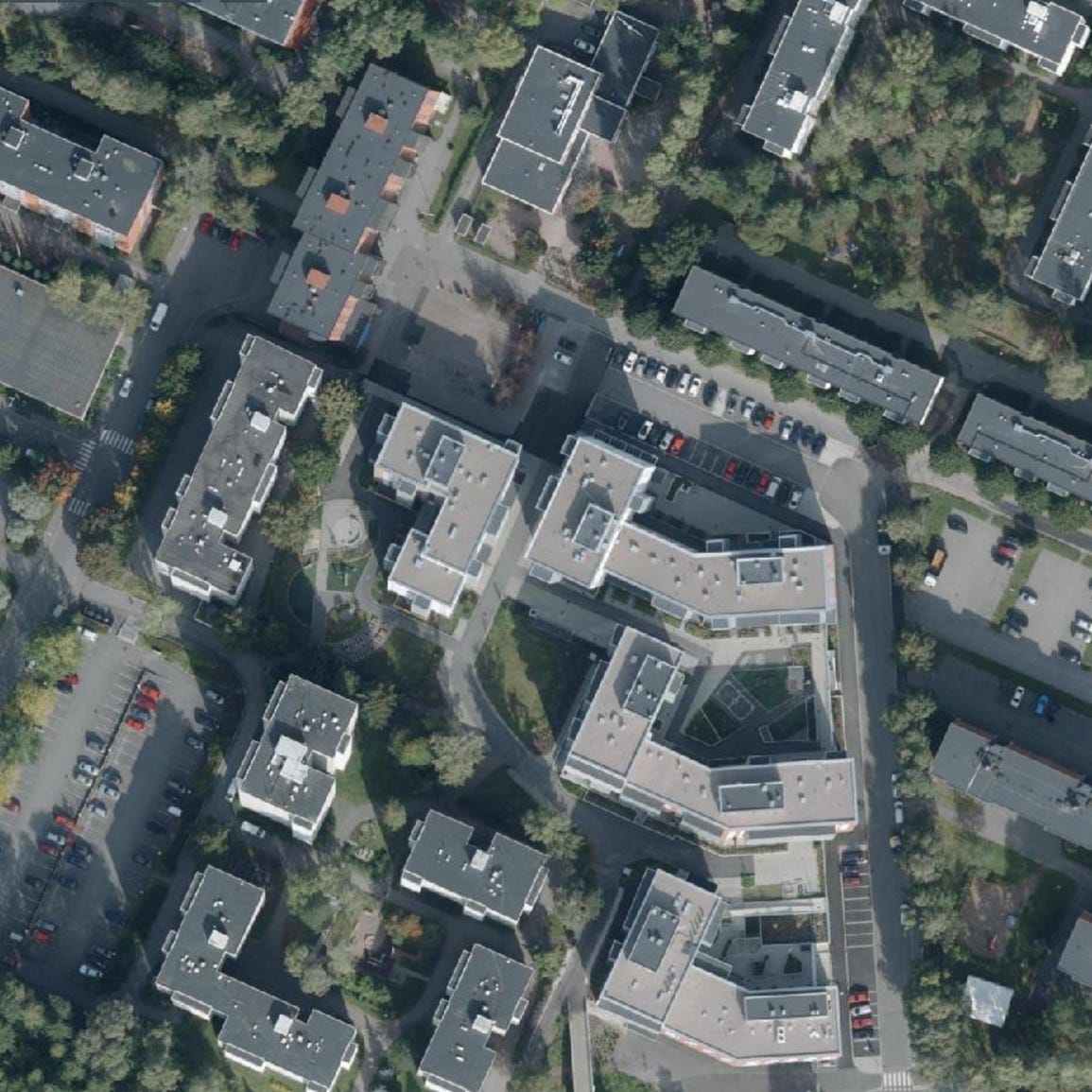
Environmental organisations and local residents should be involved already in the early stages of planning. When comments are only requested once plans are already finalised, the opportunities for meaningful influence are limited. Plans should not be overly fixed at an early stage; instead, existing ecological knowledge should be taken into account and, when necessary, expertise should be sought in interpreting it.
Early dialogue helps to identify solutions that protect biodiversity. Even at the scale of individual building plots, it is possible to preserve trees, minimise soil excavation, and apply circular economy principles. Reducing material consumption should be considered alongside improving energy efficiency.
Helsinki is not currently preparing a new master plan, but when that process begins we hope that Helsy’s perspectives will be genuinely taken into account. There were significant shortcomings in the preparation of the previous master plan, and defending individual planning “pixels” often felt frustrating.
People can also get involved in Helsy’s activities, for example by joining the planning or forest working groups. No special expertise is required, and participation can be adapted to individual skills and schedules. Communication skills are particularly valuable.