
On Resisting Authority
How Local Activism Shapes Cities

It is September 2023 and a forest in Stansvik is filled with commotion. Local residents and nature activists have gathered under the trees to protect the area’s old growth forest from logging. The police have been called to the scene and protesters are arrested and taken to the police station. Some of the detainees are fined for insubordination and resisting official authority.
Two years later, the case has taken a surprising turn: six representatives of the City of Helsinki are charged. One of those arrested took the fine to court, and in the fall of 2025, the District Court makes a historic decision: the activists acted under duress in the name of the public interest and were thus allowed to disobey the police order. The charge of insubordination is dismissed, especially since the activists had warned city officials about the threat to the nature values in advance.
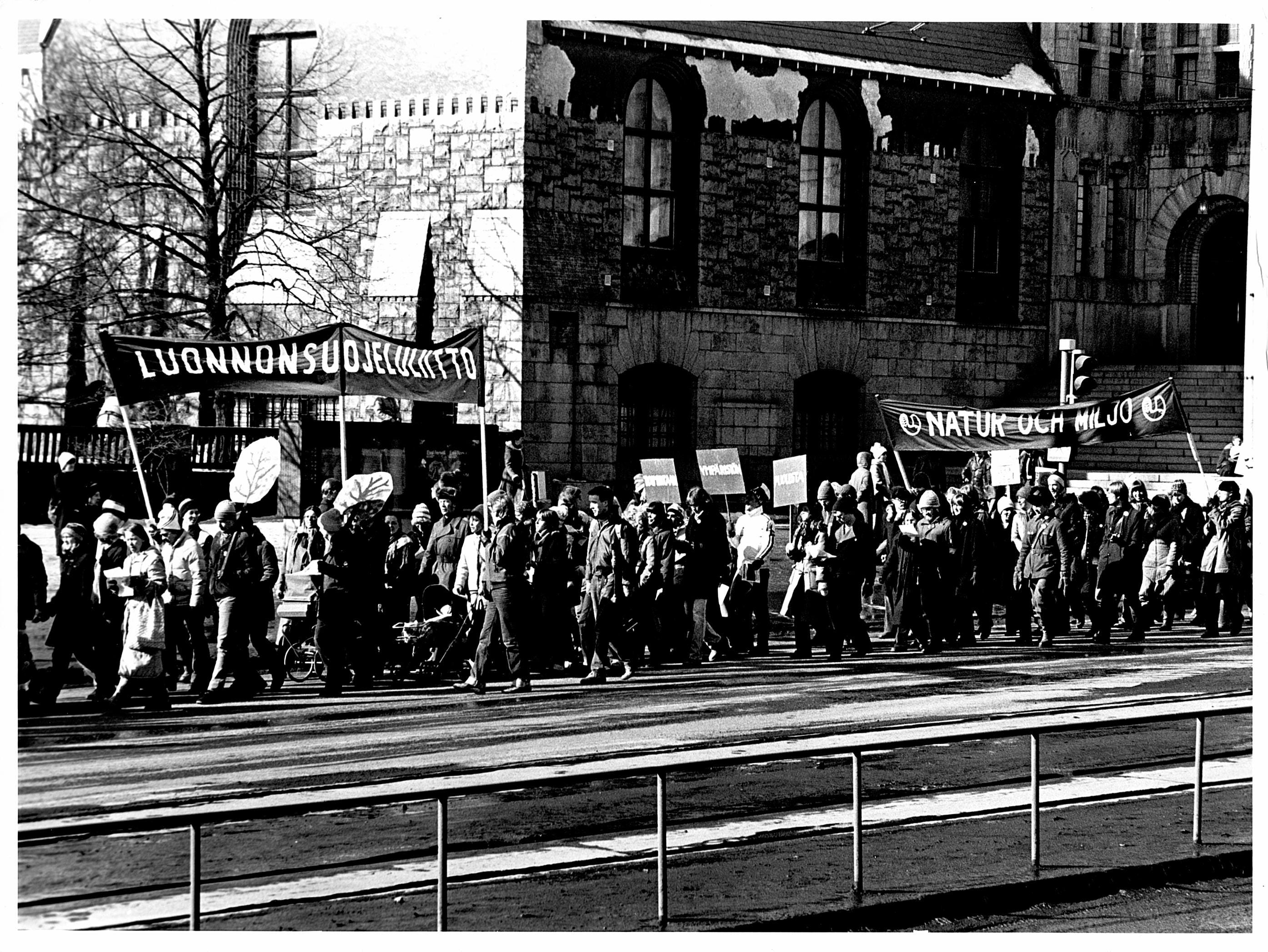
Popular movements play an important role in the development of cities. The movements demand that politicians and planners listen to calls emerging from the grassroots level, which otherwise easily go unnoticed by the city’s decision-making machinery. Sometimes the demand for change is so great that it alters the city’s policies for years to come.
Many urban developments that have become popular destinations for both residents and international tourists have been initiated by activists who have opposed the city’s policies, sometimes in a strongly antagonistic manner. One example is the bicycle lanes built on Hämeentie in Helsinki. The construction project took several years and required extensive work, as pipes were dug out from under the road and replaced with new ones. However, Anders Backström, the organisational secretary of the Helsinki Nature Conservation Association, points out that the Hämeentie reform was born out of demonstrations and critical bicycle marches that demanded reform for years. Today, the city is happy to take credit for the redevelopment, even though the initiative was born from pressure from citizens.
When writing history, it is easy to forget the stages that led to the reforms and citizen activism involved. At the same time, we risk forgetting the means by which change is driven in the city. Urban development is a constant tug of war between different interests. Urban planning is constantly influenced by private real estate developers and parties with resources to lobby politicians and planners. In order for decision-makers to risk their political capital for reforms, they need pressure from citizens to back the initiatives.
The history of civic engagement has not been forgotten in organizations and at the grassroots level. Organisations such as the Helsinki Nature Conservation Association (Helsy ry) are part of networks in which different groups take on different roles. Helsy acts as an expert organization, collecting information and preparing statements on various planning reform projects. Helsy wants to present itself as a reliable expert that cities should listen to. Helsy rarely participates in organising demonstrations although Helsy members often participate in these through other NGOs and movements. Helsy’s role as part of the civic engagement network is to collect information, for example, about local nature values, on which different organisations and local movements can refer to when demanding change. When the time comes, organisations such as the Finnish Nature Association can organise demonstrations or when bulldozers threaten the forest, Extinction Rebellion activists can climb trees.
A variety of actions are needed in this network of environmental activists: experts to produce information and reliable statements, as well as large demonstrations and petitions that can mobilise large numbers of people and demonstrate mass power. Radical and direct action is also required, which demonstrates the seriousness of the issue and puts the greatest pressure on decision-makers and urban planners. Steps can be taken from civil disobedience to more radical direct action: occupations and sabotage. Compared to the radical approach, large demonstrations appear more moderate, the kind of movement with which the authorities are ready to ally. The pressure from the radicals shifts the boundary of permissible discourses – the Overton window in political research – in a direction more favourable to moderate activists.
Civil Disobedience
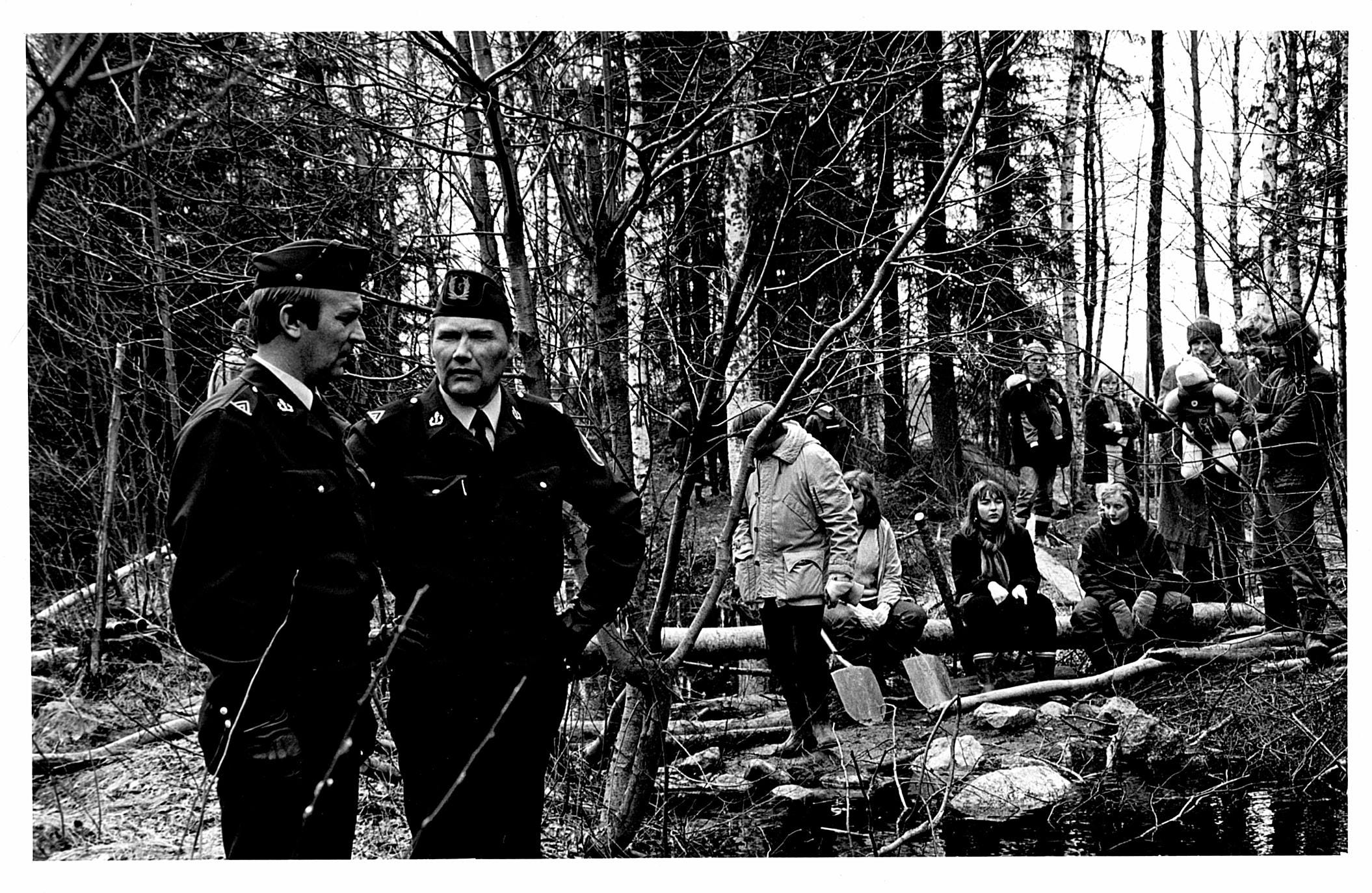
Civil disobedience has a long history. Sometimes, in order to change the prevailing regime, it is not possible to play by the rules of the current system. In civil disobedience, this is crystallised in the violation of laws that are understood as unjust. In the Finnish forest struggles, this has manifested itself, for example, in interference with private property and resisting authorities such as police. Even if the law enforcement agencies have determined that logging is legal, activists prevent the forest owner from freely utilising his property because they believe that the action is in conflict with broader collective rights.
The Stansvik case shows that city officials can also break the law, in which case the activists’ opposition to the authorities is justified. Activists oppose causing irreversible damage until the courts can intervene in the authorities’ actions in accordance with the rule of law.
Laws are, above all, agreements between people and are in constant change. When a forest becomes a nature reserve, nothing in the physical characteristics of the forest changes. Human agreements and laws regarding forests are changing. Activists are pushing for these changes before the nature values of the areas in question have been recognised by law. Like activists, cities, real estate developers – even environmental criminals – operate within different alternative interpretations of the law. Different parties are fighting over whose potential interpretation of the law will be followed.
The role of direct action in environmental movements has been highlighted in particular by the Swedish journalist and researcher Andreas Malm. In his book How to Blow Up a Pipeline (2021), Malm argues that in many direct action and civil disobedience movements that have driven social change, the non-violence of the activism has been exaggerated. Many civil disobedience movements utilised, in addition to nonviolent resistance, militant direct action that caused material damage. Malm believes that the urgent and irreversible nature of the climate crisis demands the environmental movement to adopt more aggressive forms of resistance, even sabotage of fossil fuel infrastructure. The accelerationist perspective is also repeated in Malm’s 2024 book Overshoot, where he argues that the best way to divest from fossil fuels is to trigger some kind of economic crisis in the fossil fuel economy.
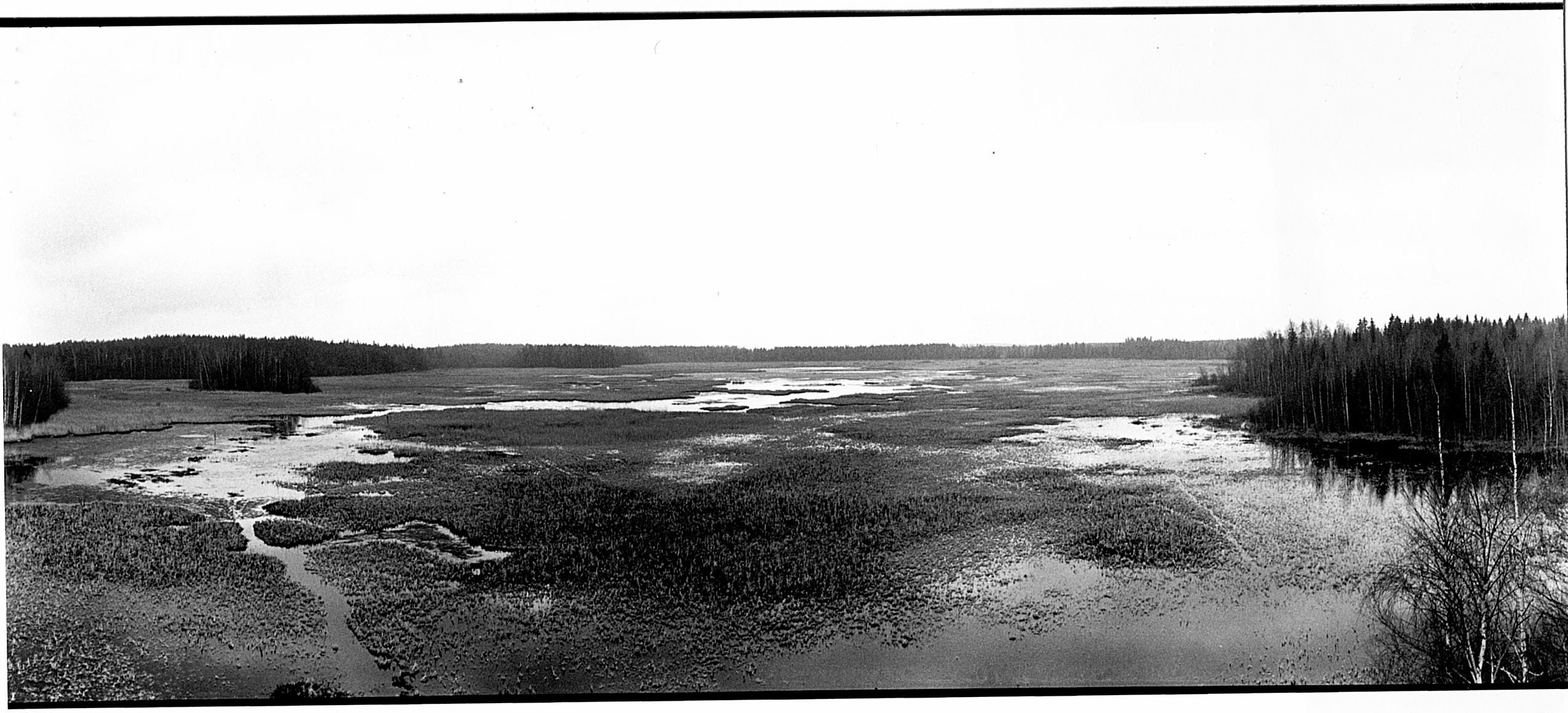
Malm cites examples such as the German environmental movement Ende Gelände, which sought to stop the expansion of coal mines by camping in the forests of the expansion areas, invading mines and blocking construction machinery. On a smaller scale, the tactics are also comparable to Finnish forest struggles, where climbing trees, camping and blocking construction machinery are long-standing tactics, such as those used in the 1970s in Koijärvi. While forest disputes in Finland threaten local natural values and recreational opportunities, expanding coal mines in Germany are swallowing up entire villages and farmland, forcing locals to move from their homes.
Competing Interests
In the case of democratic systems such as cities and states, it must be understood that, despite their ideals, the systems do not represent a consensus of the will of the people, but rather the conflicting interests of city dwellers and citizens. Politics is a constant struggle between these interest groups, which requires continuous civic activity. Civic organisations play a central role in this and provide continuity in addition to the short-term movements that form around various conflicts.
In Finland, a new kind of environmental movement has been born around local nature conflicts, in which the needs of the local people are combined with nature values. In addition to environmental organisations, the conflicting interests have mobilised residents, for whom environmental issues are related to social justice, a healthy living environment, the opportunity to move and play sports in the open air, and the mental health-improving effects of local forests.
As climate change progresses, local nature issues have an increasingly concrete impact on people’s everyday lives. Urban forests and flowing waterways build resilience in the midst of extreme weather phenomena. Even a small urban forest can provide an opportunity for the elderly to get outdoors during the summer heat.
In the case of Stansvik, citizen advocacy is critical to protecting the old growth forest. The local movements have have organised demonstrations, obstructed logging, even drafted an alternative urban plan together with a group of architect activists Elonkirjon kaupunki (roughly translated Biodiversity City). Due to pressure from activists, most of the planned construction in Stansvik’s over a hundred-year-old forest has been returned for re-evaluation. At the same time, the city is already starting to build the blocks surrounding the conflict area and the associated street infrastructure. The new roads are gnawing at the edge of the forest and threaten to become unnecessary if construction is in the end prohibited by courts. Without the actions of the Let’s Save Stansvik (Pelastetaan Stansvik) movement to prevent construction, the nature values in the forest area could be lost forever – and the plan could possibly be overturned too late.
In environmental movements, different activists and organisations take on different roles and use different methods. The most radical approaches question the decisions of authorities and even the current interpretation of the law. However, activists operate under the mandate of popular movements, which gives legitimacy to actions when they contradict with current legislation. Above all, activists defend living beings who cannot pursue their cause in the Finnish legal system or local democracy.
The text is part of a series covering Grassroots City an art and research project studying community resilience in the changing climate. The project is funded by the Arts Promotion Centre Finland. You can study project in more dept on our website: vokal.fi
References
Malm, A. (2021). How to blow up a pipeline: Learning to fight in a world on fire. Verso.
Malm, A., & Carton, W. (2024). Overshoot: How the world surrendered to climate breakdown. Verso.