

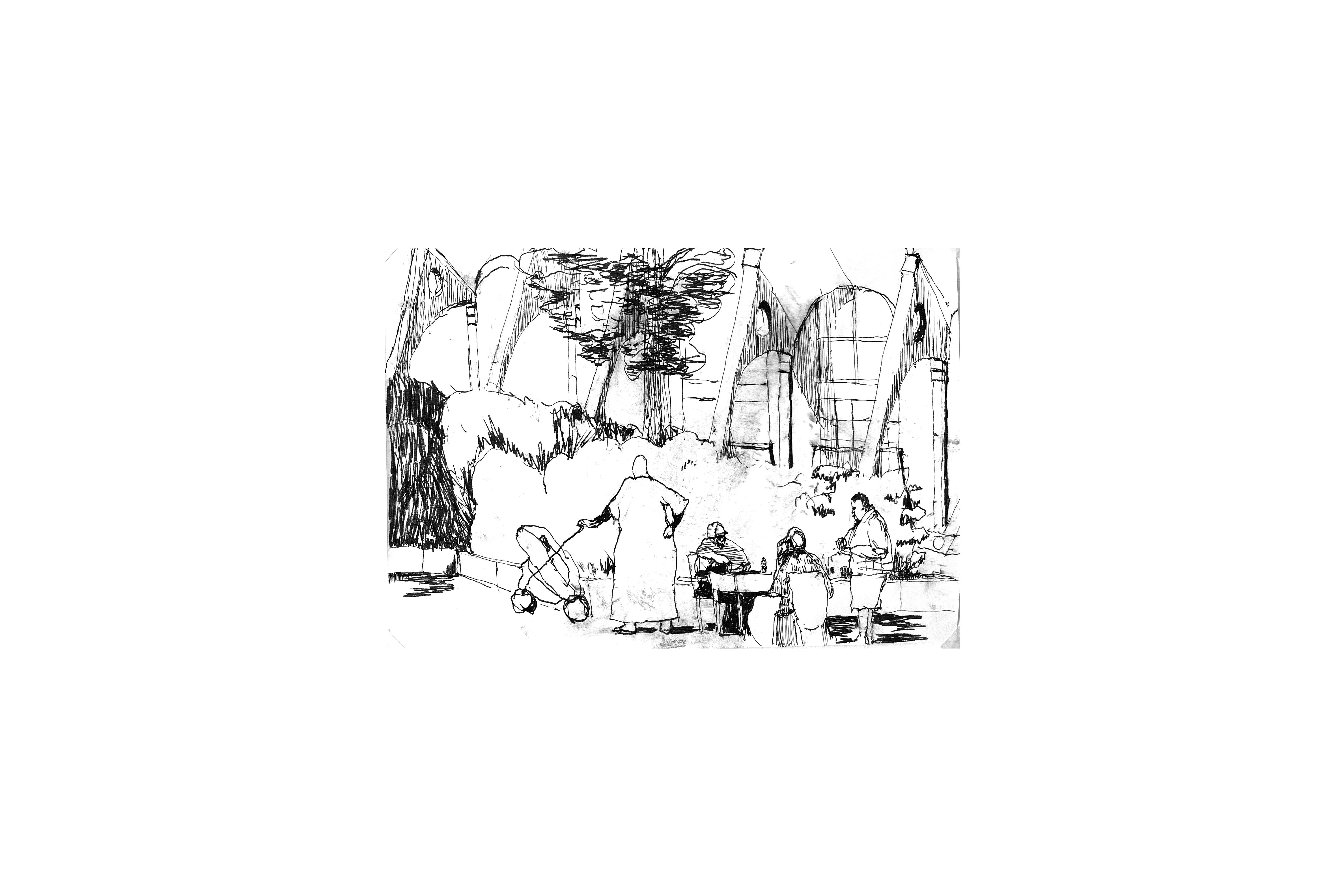
Looking can be a violent act. Negative media portrayals and one-sided political narratives shape the fate of many buildings and entire neighbourhoods. In France, a significant share of the population lives in what are labeled as “suburbs” (in French, banlieue); in Finland, the figure is even higher. Behind these numbers lies a great diversity of people and stories. This has raised a central question for us: how do we look at a neighbourhood, and who becomes the subject of our gaze? And, perhaps more importantly, what kind of story do we choose to tell about a place and its people?
These are not new questions in the writing of history. The power to define the narrative has always belonged to the victors. As John Berger writes, “The way we see things is affected by what we know or what we believe.”1
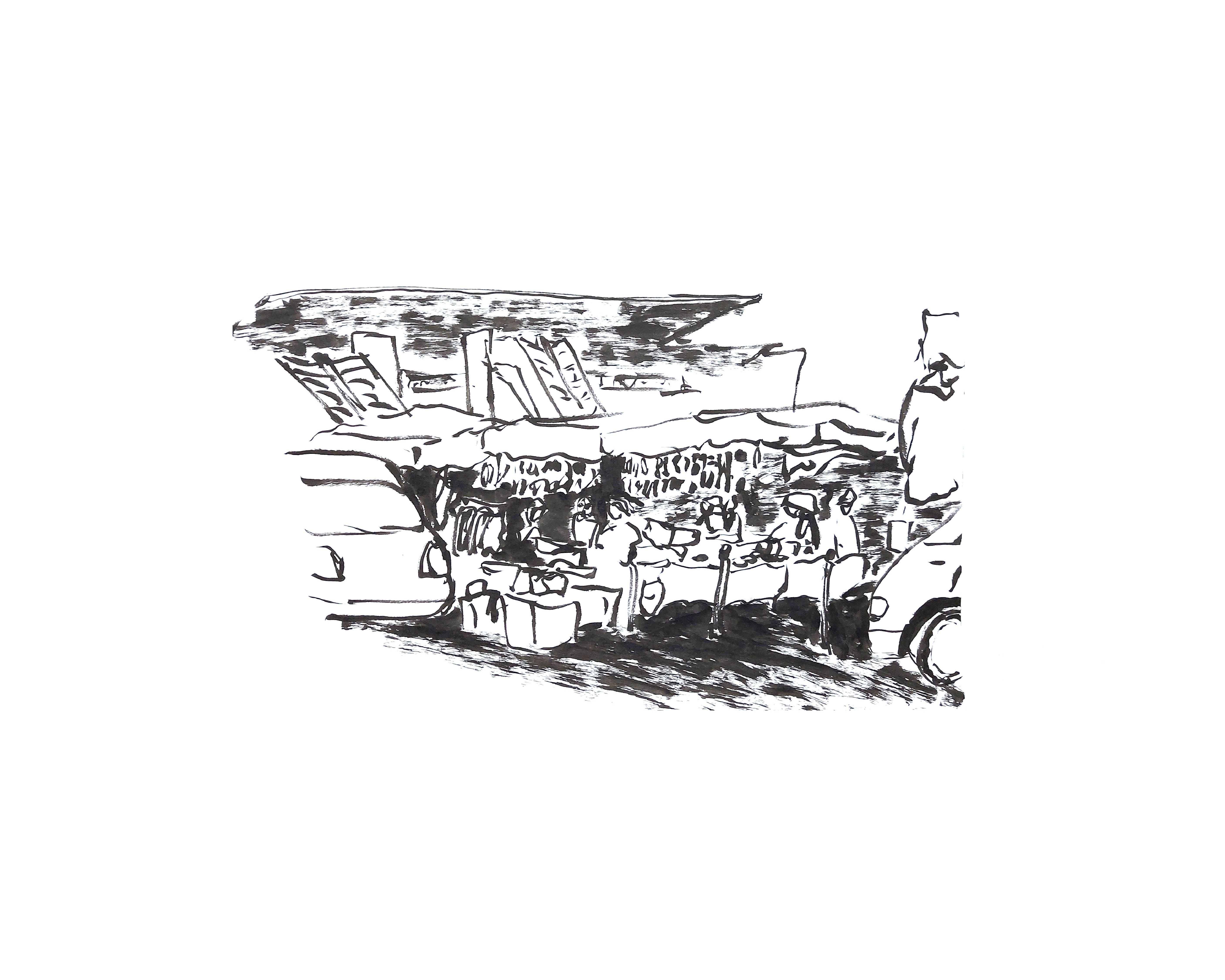
It is from this point of reflection that we embarked on The Grand [Ensemble] Tour, our journey through France’s large postwar housing estates, the grands ensembles, with a particular focus on Paris.
The Grand [Ensemble] Tour is an art and research project that reimagines the traditional Grand Tour, creating new ways of engaging with architecture. The project took place at the Cité International des Arts residency in Paris between September and December 2025.
Our community-driven approach seeks to build trust with local residents and respond to the challenges of documenting neighborhoods. Through hand drawing, we aim to depict the lived realities of these communities in a participatory and reflective way. The project advocates for the preservation of these complexes – landmarks of French urban history.


The original Grand Tour was a cultural and artistic pilgrimage undertaken by Europe’s elite from the 17th to the 19th century, serving as an essential educational journey for artists and architects. In the 20th century, modernist architects such as Le Corbusier, Louis Kahn, or the Aaltos embarked on similar travels across Europe and the Middle East, studying ancient monuments and seeking inspiration. These journeys brought back drawings, artifacts, and new ideas – yet they were also shaped by colonial perspectives and the exoticization of their destinations. Later, in the United States, research by Denise Scott Brown and Robert Venturi on the Las Vegas Strip (1968) reinterpreted the tradition and helped define postmodern architecture.
In postwar France, nearly 15 million people lived in inadequate conditions, prompting vast reconstruction efforts between 1953 and 1975. Social housing production surged from under half a million to nearly three million units. Around half of the Paris region’s population came to live in grands ensembles, shaping Île-de-France during the prosperous Trente Glorieuses, an era that symbolised rapid economic growth.
While these complexes offered modern housing for those in need, their reputation declined from the 1980s onward. Stigmatisation, negative media portrayals, and urban renewal policies led to widespread demolitions. Today, addressing the vulnerability of these neighbourhoods – and the loss of their social and architectural value – is more urgent than ever. Market-driven development challenges both equality and quality of life, while ignoring the distinct identities and lived experiences of local communities.
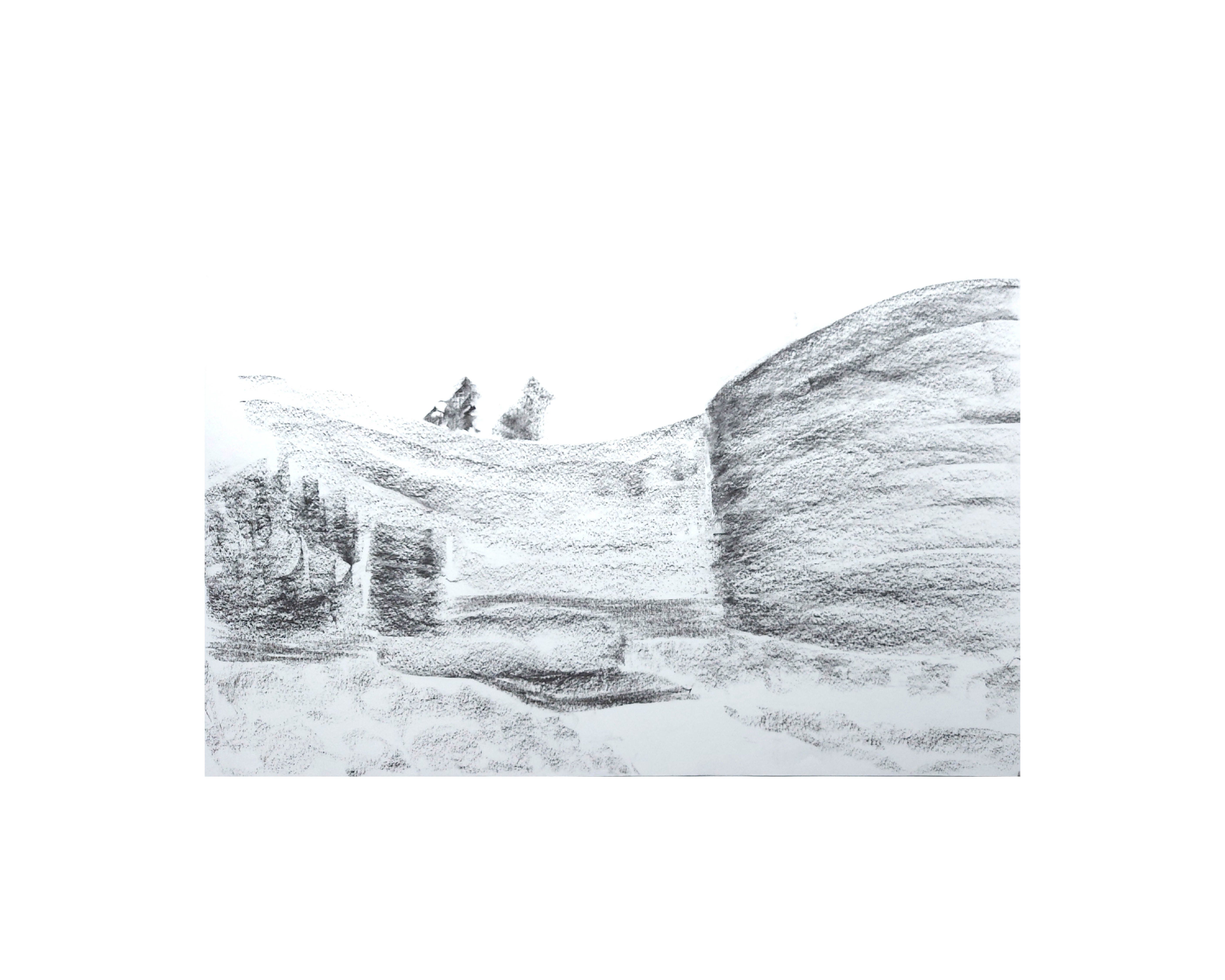
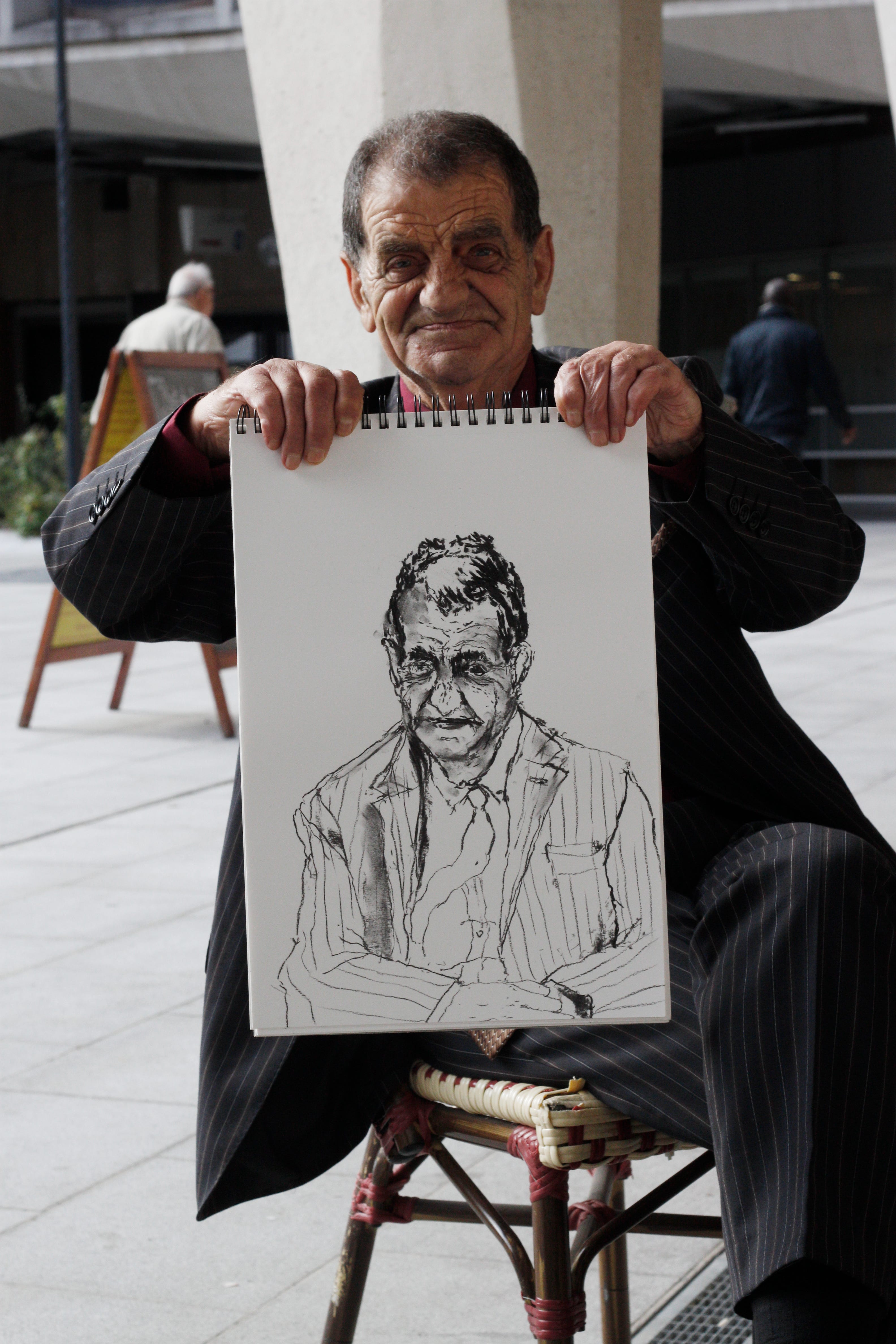
Because of the sensitive position of the grands ensembles in public discourse, entering these spaces requires care. Residents are often hesitant to be photographed, which is one reason we chose hand drawing as our main working method. Drawing in public invites curiosity and conversation. It becomes a gentle way to connect with people and places.
Hand drawing allows for a deeper attunement to the environment: its sounds, smells, and changing light and weather conditions. It stands in opposition to the fast pace of contemporary design, where site visits, if conducted at all, are reduced to quick tours and a handful of snapshots. In drawing you cannot quickly steal a photo, but rather you have to sit down patiently for an hour or several hours to capture a scene.
Through drawing and observation, we reflect on the act of seeing itself: on who looks, who is seen, and what stories we decide to tell. Ultimately, the images we create shape the narrative of a neighborhood or a city, and the way it is remembered.
To draw a place bestows it with significance. Many times the locals are astonished that someone would see enough value in their neighborhood to be carefully reproduced in lines on paper. Our grand tour places the postwar housing complexes as monuments worthy of documenting in similar ways as the ruins of the ancient world.
Architects are accustomed to drawing as a design tool, but it can also be a method of understanding: a laborious act that demands attention and patience. Drawing can enable us to look with more curiosity and care towards those who may or may not want to be observed.
Berger, J. (2008). Ways of seeing. Penguin Books.